Choosing a solid base is essential for foam mattresses to maintain support, prevent sagging, and ensure a quiet, cool night. The right foundation can improve edge support, isolate motion, and extend mattress life. This guide reviews five foundations that pair well with memory foam, latex, or hybrid foams, including bunkie boards, box springs, and platform frames. Each option balances stability, ease of setup, and compatibility with foam mattresses. Use the buying guide below to compare materials, weight limits, noise levels, and installation needs to find the best base for your foam mattress.
| Product | Brand | Foam Mattress Benefit |
|---|---|---|
| Meliusly Premium Bunkie Board | Meliusly | Breathable, moisture-resistant, and noise-minimizing; low-profile support |
| EMODA Box Spring Queen Size | EMODA | Heavy-duty metal foundation; supports memory foam and hybrids with noise-free design |
| Upcanso Queen Bed Frame | Upcanso | Platform frame; no box spring required; robust steel slats and high weight capacity |
| Zinus Quick Lock Box Spring | Zinus | Easy assembly; durable steel interior; suitable for various foam mattress types |
| Zinus Edgar Bamboo Box Spring | Zinus | Low-profile bamboo foundation; strong, durable, with supportive slats |
Meliusly Premium Bunkie Board

The Meliusly Premium 10mm Bunkie Board provides a breathable, moisture-resistant base designed for foam mattresses. Its 10mm high-density twin-wall construction helps maintain mattress support over time while minimizing transfer and squeaks. A patent-pending, noise-minimizing design is wrapped in industrial-grade Oxford fabric to reduce friction between the board and bed slats. This compact, low-profile board is not a replacement for bed slats or a box spring; it must rest on a supportive foundation and works well with bunk bed frames or frames with slats spaced up to eight inches apart. For foam mattresses, this bunkie board offers stable support without adding height or creating motion transfer against a hard frame.
Key considerations for foam users include compatibility with existing bed structures and the importance of a solid foundation under a foam mattress. The Meliusly bunkie board excels where space is limited, or where a low-profile option is preferred to preserve bed height. It suits foam types that benefit from a rigid, uniform surface and minimal flex, helping maintain edge support and mattress longevity. Installation is straightforward, and the board’s breathable design assists in reducing moisture buildup under the mattress.
EMODA Box Spring Queen Size

The EMODA 5 Inch Box Spring Queen Size Bed Base features a metal foundation with a fabric cover designed for memory foam and hybrid mattresses. Its noise-free construction supports peaceful sleep by minimizing movement sounds that can disturb foam mattresses’ contouring behavior. The package emphasizes easy assembly with included hardware and clear instructions, making it practical for a quick upgrade to your foam setup. The 5-inch height adds noticeable elevation, improving under-bed storage access and bed aesthetics without requiring a slatted foundation.
For foam sleepers, the EMODA box spring offers a stable, rigid base that reduces lateral mattress sag and ensures even support across the mattress surface. The metal construction tends to resist warping over time, which is beneficial for heavier foam systems. While some foam types perform best with slightly firmer bases, this unit provides a reliable medium-firm platform that helps preserve the foam’s intended feel and response while keeping noise to a minimum during sleep transitions.
Upcanso Queen Bed Frame

The Upcanso 16 Inch Queen Bed Frame is a no-box-spring required platform bed frame. Its sturdy steel slats and 9-leg support structure provide robust support for memory foam, latex, and hybrid mattresses. The framework accommodates a generous weight capacity and offers ample storage height, allowing you to store items beneath the bed. While designed to function without a traditional box spring, it remains compatible with a wide range of foam mattresses that benefit from a solid, even base. The frame also supports headboard and footboard attachments through drilled holes on the legs, giving you flexibility in styling your sleep space.
For foam-based sleepers seeking minimal motion transfer and a clean, modern look, a platform frame like this can deliver reliable support without the creaks associated with box springs. Its high clearance can help with under-bed storage and cleaning, while the solid slat construction keeps the foam mattress evenly supported along its surface, reducing sag risk and maintaining comfort across the entire sleep area.
ZINUS Quick Lock Metal Smart Box Spring
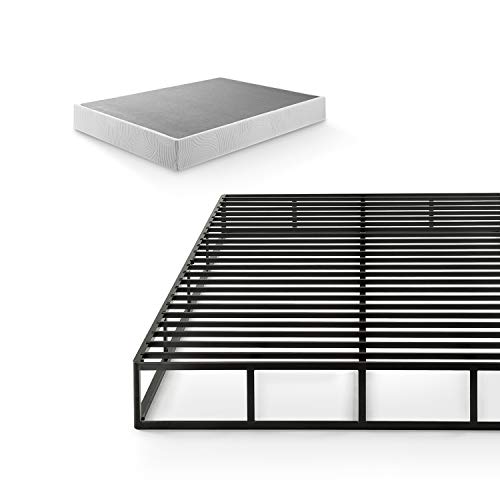
The ZINUS Quick Lock Metal Smart Box Spring offers a hassle-free setup with intuitive instructions and fewer bolts. Its durable steel interior forms a solid foundation for foam mattresses, with a weight capacity that scales by size—twin up to 350 lbs and larger sizes up to 700 lbs. The 9-inch height provides a taller profile that can improve mattress alignment with the user’s seating height and overall bed aesthetics. The box spring emphasizes simple assembly and reliable stability, reducing the risk of squeaks or wobble that can affect foam systems over time.
In choosing a box spring for foam mattresses, the Quick Lock model provides a dependable, low-maintenance option. It is well-suited for memory foam or hybrid setups that benefit from a uniform, rigid base and predictable contouring. The design minimizes movement and ensures durable support without requiring extensive tools or expertise for assembly.
ZINUS Edgar Bamboo Box Spring

The ZINUS Edgar Bamboo Box Spring is a sturdy, low-profile foundation that uses a durable bamboo interior and thicker wooden slats for reliable support. Slats are spaced to enhance airflow and distribute weight evenly, with spacing of 3.2 inches for twin and full sizes and 3.6 inches for queen and king sizes. The cover uses a durable elastic band for a cleaner look and easy on/off, contributing to a tidy bed setup. The Edgar is designed to support various mattress types, with a maximum weight capacity in the typical range for foam and hybrid setups across sizes.
For foam sleepers seeking a durable, eco-friendly base, the bamboo construction delivers solid, quiet support. The low-profile design keeps bed height reasonable, while the sturdy interior helps preserve foam performance over time. Easy assembly and a focus on airflow make it a practical choice for foam mattresses that benefit from a stable, well-ventilated foundation without adding unnecessary height.
Buying Guide
Key Purchase Considerations
- Foundation type compatibility: Foam mattresses pair well with bunkie boards, box springs, and platform frames. Consider your current bed frame and whether height or storage space matters.
- Support and stability: Look for a solid, uniform base that minimizes sag and reduces motion transfer. Steel frames and dense boards tend to provide the most stable platform for foam mattresses.
- Mattress type and profile: Memory foam and latex may benefit from firmer, flatter surfaces. Box springs can add height, while bunkie boards keep a low profile. Platform frames offer a compact option with built-in support.
- Noise and vibration: Noise-minimizing designs help maintain a quiet sleeping environment, especially important for foam mattresses known to transfer movement.
- Ventilation and moisture resistance: Breathable materials and moisture resistance help maintain mattress longevity and comfort.
- Weight capacity: Ensure the base can safely support the combined weight of you and the mattress, particularly for heavier foam setups or couples.
- Ease of assembly: Look for clear instructions and hardware, especially if you prefer a quick setup without tools or specialized knowledge.
Material And Style Considerations
- Bunkie boards: Excellent for low-profile needs and improving edge support on foam beds; best when paired with a sturdy foundation below.
- Box springs: Provide height and a firm foundation; suitable for foam mattresses that require robust support and a traditional look.
- Platform frames: Ideal for a clean, modern look and do not require a separate box spring; great for memory foam and hybrids if the slats are evenly spaced and strong.
- Natural materials: Bamboo and other sustainable options offer eco-friendly appeal, while maintaining solid support.
Foam Mattress Compatibility Summary
- Memory foam: Benefits from stable, uniform support; consider bunkie boards or boxed foundations to minimize motion and ensure even contouring.
- Latex foam: Requires strong support to prevent sagging; platform frames with solid slats or box springs work well.
- Hybrid foam: Often paired with box springs or robust platform frames to balance support and height.
When selecting a base for a foam mattress, consider how the base affects feel, height, and edge support. A well-matched foundation can preserve the mattress’s intended feel, reduce unwanted noise, and extend the life of your foam mattress. The five foundations reviewed here cover a range of heights, materials, and installation experiences, helping you find a practical, durable solution for your foam mattress setup.