Providing safety and comfort for dementia patients is critical, especially during nighttime or when they are resting. The following selection highlights some of the best bed alarms, safety belts, and fall prevention devices designed to help caregivers monitor and protect elderly adults with dementia. These products offer features such as wireless sensors, early-alert technology, adjustable restraints, and easy installation to reduce fall risks and ensure peace of mind.
| Product Name | Brand | Key Features |
|---|---|---|
| Lunderg Bed Alarm for Elderly Adults & Chair Alarm Set | Lunderg | Wireless early-alert sensor pad, chair pad, pager, reduces false alarms |
| Lunderg Large Bed Alarm for Elderly Adults | Lunderg | Large wireless sensor pad, reduces false alarms, easy setup |
| Vive Bed Restraints for Elderly Dementia Patients | Vive | Adjustable safety belt, cushioned waist belt, water-resistant |
| Nesthao Upgraded Bed Sensor Alarm For Elderly | Nesthao | Wireless motion sensor, no patient room alarm, long-range transmission |
| Lunderg Undermattress Bed Alarm With Early Alert | Lunderg | Wireless under mattress pad, early-alert system, quiet and comfortable |
Lunderg Bed Alarm for Elderly Adults & Chair Alarm Set

The Lunderg Bed Alarm and Chair Alarm Set offers comprehensive monitoring with its wireless sensor pads for both bed and chair use, along with a portable pager for caregivers. This system provides absolute peace of mind by alerting you before your loved one stands up or leaves their seat, reducing risk of falls. It features unique pre-alert smart technology that detects the process of standing, minimizing false alarms.
Its pads are easy to set up, wireless, and incontinence-resistant. The bed sensor is 10 x 33 inches, and the chair sensor is 10 x 15 inches, both designed for quick cleaning. The alarm sounds or vibrates continuously just before the patient starts to stand, giving caregivers timely notification.
Lunderg Large Bed Alarm for Elderly Adults

This Lunderg Large Bed Alarm features a 20″ x 30″ wireless sensor pad specially designed for patients that move frequently. It connects wirelessly up to 300 feet away with a handheld monitor, sounding or vibrating continuously once the patient is out of bed.
The large sensor pad includes anti-slip stickers to reduce false alarms and is placed underneath the patient’s hips under a fitted sheet. It is also easy to clean and resistant to incontinence, making it suitable for extended use in both home and care settings.
Vive Bed Restraints for Elderly Dementia Patients

The Vive Bed Restraints provide an adjustable safety belt designed to securely attach elderly patients or those recovering from surgery to the bed or wheelchair. The system enhances patient safety by reducing risk of falling or rolling out of bed, which is critical for dementia care.
Installation is quick and easy with adjustable straps and an easy-release buckle. The restraints are made from durable, water-resistant materials to withstand daily use in home or hospital settings.
Nesthao Upgraded Bed Sensor Alarm and Fall Prevention
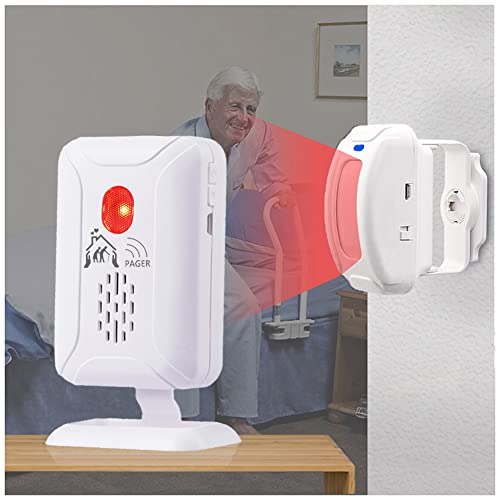
The Nesthao Upgraded Bed Sensor Alarm employs a wireless motion sensor that can be placed on the floor under the bed or near doorways. This setup allows monitoring when a patient’s foot touches the ground or when they leave the room, without alarming inside the patient’s room, which can help prevent startling and falls.
It features a 918ft transmission range in open areas and a self-test function at startup for optimal operation. The system uniquely avoids false alarms from patient movement, including incontinence, because it relies on foot-floor contact detection rather than pressure pads on the bed.
Lunderg Undermattress Bed Alarm With Early Alert

The Lunderg Undermattress Bed Alarm distinguishes itself by using a wireless sensor pad placed under the mattress that alerts caregivers before the patient stands up. Its early-alert technology provides an added layer of prevention, allowing caregivers to intervene timely and reduce fall risks.
This sensor is quiet, comfortable, and does not produce crinkling sounds, ensuring the patient’s comfort. It is ideal for mattresses up to 13 inches thick and connects wirelessly up to 300 feet from the handheld monitor.
Buying Guide: Key Considerations for Choosing Beds and Safety Devices for Dementia Patients
Sensor Technology and Alert Timing
Choosing between pressure sensor pads and motion sensors depends on patient movement. Early-alert systems that detect the process of standing can provide advance warning, while motion sensors detect foot contact with the floor, both aiming to reduce falls. Look for products with low false alarm rates to avoid caregiver fatigue.
Wireless Range and Usability
Wireless systems offering a communication range of at least 300 feet provide flexibility for caregivers to monitor patients remotely. Ease of setup and simple controls are important for caregivers who need reliable technology without complex installation.
Comfort and Patient Impact
Sensor pads placed under mattresses or sheets should be comfortable and non-intrusive to prevent interfering with rest. Products designed to be quiet and without rough textures enhance patient comfort, which is essential for dementia care.
Fall Prevention Restraints
Safety belts and restraints should be adjustable, padded for comfort, and easy to install and remove by caregivers. Durable, water-resistant materials that withstand daily usage help maintain long-term safety without irritation or hygiene issues.
False Alarms and Reliability
False alarms can cause unnecessary stress for both patients and caregivers. Anti-slip stickers, sensitivity adjustments, and balanced alert timing are key features that improve alarm reliability, so select devices with these capabilities.
Multi-Purpose Monitoring
Some devices also include chair alarm pads or door sensors, allowing caregivers to monitor multiple exit points where patients may wander or attempt to move unsafely, offering comprehensive protection beyond just the bed area.