Choosing a comfortable hospital bed mattress is essential for recovery, comfort, and caregiving in homes or clinics. The right mattress supports proper pressure redistribution, promotes cooler sleep, and resists moisture buildup. The five options below emphasize comfort, durability, and fit for Twin XL hospital beds, aligning with adjustable bases and daily care routines. The selection blends memory foam, multi-layer foam, and alternating air designs to address common discomforts like back or hip pain while remaining practical for routine cleaning and care. Explore quick features, sizing, and maintenance considerations to find a selection that balances patient needs with caregiver practicality.
| Product | Brand | Notable Feature |
|---|---|---|
| Lumex Select Hospital Bed Mattress | Graham-Field | Two-layer premium foam with 150+ air pockets for cooling |
| Drive Medical FoamQuick Mattress | Drive Medical | Decompressing foam with secure bottom and straps |
| Invacare Softform Premier Mattress | Invacare | 2-layer U-core with 3-zone high-density foam |
| Vive Alternating Mattress Pad | Vive | 130 air cells with whisper-quiet pump |
| Livaclean Gel Memory Foam Mattress | Livaclean Health | Gel memory foam over high-density foam with waterproof cover |
Lumex Select Hospital Mattress
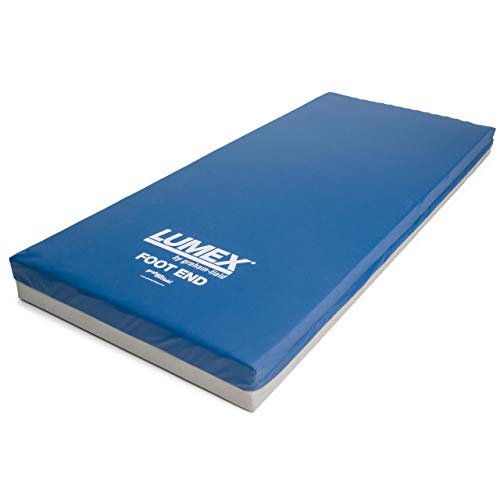
The Lumex Select mattress uses two layers of premium foam that provide targeted support and pressure relief. This arrangement helps users who sleep long hours, elderly patients, or individuals with limited mobility wake without stiffness or soreness. It is designed to conform to the body and works with adjustable bases for personalized comfort, reducing peak pressure points where skin or underlying tissue is at risk. A cooling topper adds breathability for night-long comfort, which is especially helpful for patients who tend to overheat during sleep.
- Two-layer premium foam for targeted support and pressure relief
- Conforms to body shape to reduce discomfort in key areas
- Cooling egg-crate topper with over 150 air pockets
Designed to fit Twin XL hospital frames, the Lumex Select balances comfort with practical maintenance, making it a reliable everyday option for home care or clinical settings.
Drive Medical FoamQuick Mattress

The FoamQuick mattress emphasizes decompression and comfort with an active mattress replacement system. It includes a non-slip bottom and four corner straps to keep the mattress secure on the bed frame, along with a removable nylon stretch cover that is fluid resistant and low shear—protecting skin from friction and moisture. After delivery, allow 24–72 hours for full expansion as the mattress regains its shape, especially when room temperature is cooler.
- Active foam with decompressing properties for comfort
- Non-slip bottom and four corner straps for security
- Removable, fluid-resistant nylon cover; low friction
These features make Drive Medical’s foam option a practical choice for caregivers seeking a straightforward, easy-to-maintain mattress that works with standard home and facility bedding setups.
Invacare Softform Premier Mattress

The Softform Premier mattress is a best-selling model featuring two independent layers, a unique single-piece U-core, and a contoured foam insert. This three-zone construction provides targeted support for the head, torso, and legs while distributing weight evenly. Made with high-density foam on both layers, it offers solid durability and edge-to-edge support, with a weight capacity around 500 pounds. The design emphasizes pressure redistribution and patient comfort for long-term use, including scenarios with higher risk of pressure injuries.
- Two independent foam layers with U-core support
- Three-zone construction targets head, midsection, and feet
- High-density foam for durable, comfortable support; 500 lb capacity
For facilities and homes needing a robust, long-lasting foam mattress, the Invacare Softform Premier delivers reliable pressure relief and secure edge support across typical hospital bed configurations.
Vive Alternating Mattress Pad

The Vive alternating air pressure mattress pad is designed to relieve bed sores and ulcers for bedridden patients. The pad uses 130 air cells and a proprietary algorithm to alternately inflate and deflate, distributing weight evenly and reducing pressure points. A whisper-quiet pump provides multiple pressure levels and a cycle that typically lasts about six minutes, enabling a gentle, continuous pressure refresh without disturbing sleep.
- 130 air cells for even pressure redistribution
- Whisper-quiet pump with adjustable pressure levels
- Waterproof, breathable cushion and durable construction
Ideal for immobilized patients who require frequent repositioning, the Vive pad combines preventive care with a low-noise operation that suits home or clinical environments.
Livaclean Gel Memory Foam Mattress

The Livaclean Health mattress blends a comfort layer of gel memory foam with high-density support foam. This layering enhances pressure relief, spinal alignment, and comfort during extended use. The Twin XL size fits standard hospital beds, and a removable waterproof cover helps maintain hygiene for home care or clinical use. The gel memory foam aids in temperature regulation, reducing heat buildup for many sleepers.
- Gel memory foam over high-density support foam
- Removable waterproof cover for easy cleaning
- Twin XL size designed for standard hospital beds
With a focus on patient comfort and ease of care, the Livaclean mattress provides reliable pressure redistribution and convenient maintenance for ongoing use in home or clinical settings.
Buying Guide
Key Considerations When Choosing a Hospital Bed Mattress
Selecting the right mattress depends on patient needs, bed frame compatibility, and care routines. Consider whether the priority is deep pressure relief for high-risk individuals, or a more general comfort solution for active sleepers. Assess the bed base type (manual vs. electric adjustable) to ensure mattress compatibility and secure fit. Durability and ease of cleaning are essential for both home care and clinical settings, where hygiene and turnover matter as much as comfort.
Pressure Relief Versus Temperature Regulation
Foam mattresses often provide strong pressure redistribution, with multi-layer designs offering zone-specific support. Gel memory foam adds contouring and temperature regulation, while air-based systems focus on alternating pressure to prevent sores. If moisture buildup is a concern, look for breathable covers and materials with good ventilation. For patients prone to overheating, cooling features and proper airflow can improve sleep quality.
Size, Fit, and Bed Base Compatibility
Twin XL is a common size for hospital beds, particularly adjustable models. Verify that the mattress length and width align with the bed frame specifications, and confirm edge support for safe repositioning. For heavy patients or long-term use, weight capacity and durability matter; higher-density foams and reinforced cores provide better longevity and reduced sag over time.
Cleaning, Hygiene, and Maintenance
Removable, waterproof, or fluid-resistant covers help maintain hygiene and simplify cleaning after spills or clinical procedures. Look for vinyl or polyurethane covers that resist stains and moisture while staying gentle on skin. For patients with incontinence risk, covers that can withstand frequent disinfection cycles are advantageous. Regular rotation and inspection of seams can extend mattress life.
Durability, Warranty, and Long-Term Value
Durability varies by construction: three-zone layers, U-cores, or fortress-shaped cells contribute to how well a mattress holds shape under regular movement. A robust warranty or replacement policy reflects confidence in longevity and customer support. In care settings, a product that maintains comfort across weeks or months may reduce the need for frequent replacements, lowering total ownership costs.
Care Scenarios and Usage Notes
For home care, ease of transfer and repositioning is crucial. Mattresses with low-friction covers or compatible with lifting devices minimize caregiver strain. In clinical environments, compatibility with other equipment, ease of disinfection, and the ability to accommodate various patient sizes should guide the final choice. Consider also whether alternating pressure systems are appropriate for long-term use or if a straightforward foam mattress meets daily needs.