Choosing the right low air loss mattress is key for preventing and managing pressure ulcers. The following five products balance effective pressure redistribution with ease of use, maintenance, and patient comfort. Each option targets different care settings—from home use to clinical environments—so readers can compare performance, noise levels, and durability before making a decision.
| Product | Brand | Key Features | Size / Notes |
|---|---|---|---|
| Drive Medical 14027 Med-Aire Low Air Loss Mattress Replacement System with Alternating Pressure, Dark Purple | Drive Medical | Alternating pressure and low air loss; 20 replaceable 8-inch cells; pillow feature; removable 4-way stretch PU cover | Standard hospital bed compatible |
| Vive Alternating Air Pressure Mattress for Hospital & Home Beds | Vive | Ultra-quiet pump; even weight distribution; adjustable pressure dial | Home and hospital use |
| MedVance Medical Low Air Loss Mattress Replacement System with Alarm, 8 Inch | MedVance | Ultra-quiet pump; digital control; alarm; pillow function; cell-on-cell design | Standard hospital bed compatible |
| Drive Medical 14029 Med-Aire Low Air Loss Mattress Replacement System with Alternating Pressure, Blue, 84 Inch x 36 Inch | Drive Medical | Alternating pressure and low air loss; digital pump with diagnostics; 20 cells; pillow feature; auto-return | 84″ x 36″ bed size |
| Safe Medic Medical Air Mattress for Pressure Ulcer Prevention – Alternating Pad System | Safe Medic | 130-cell design; ultra-quiet pump; durable waterproof vinyl; supports up to 300 lbs | Standard hospital bed compatible |
Drive Medical Med-Aire Low Air Loss System

- Active mattress replacement system provides both alternating pressure and low air loss to optimize pressure redistribution, shear/friction reduction, and microclimate control.
- Twenty individual 8-inch air bladders maximize immersion and envelopment; includes a pillow feature for head stability and comfort.
- Durable removable 4-way stretch PU cover is fluid resistant, low shear, and vapor permeable, helping protect the skin from friction and moisture.
Vive Alternating Air Pressure Mattress

- ULTRA-QUIET PUMP FOR UNINTERRUPTED SLEEP: An exceptionally quiet pump ensures a peaceful night’s rest with steady airflow.
- EFFECTIVE RELIEF TO PREVENT BEDSORES: Even distribution of weight reduces pressure points and helps prevent ulcers for bedridden individuals.
- ADJUSTABLE PRESSURE DIAL: Easy-to-use dial lets you tailor airflow and firmness for personalized comfort.
MedVance Low Air Loss Mattress With Alarm

- ULTRA QUIET PUMP: Hospital-grade operation under 20 dB; dual pump cores with easy digital adjustment and diagnostic alarms; emergency CPR deflate via red tag.
- LOW AIR LOSS: 8-inch deep air cells prevent bottoming out; pillow function maintains air in head cells for comfort in static mode.
- SAFE, FAST & EASY: Quick inflation with an intuitive LED screen showing weight and pressure; built-in safety alarms.
Drive Medical Med-Aire 14029 Low Air Loss System

- Air Mattress with both alternating pressure and low air loss to optimize pressure redistribution and microclimate control.
- Digital pump with diagnostic alarms and auto-returns if the mattress is left static for more than 2 hours.
- Includes 20 individual air cells to maximize immersion with a pillow feature for head stability; the control unit offers 4 cycle times and adjustable comfort weight settings.
Safe Medic Pressure Ulcer Prevention Mattress
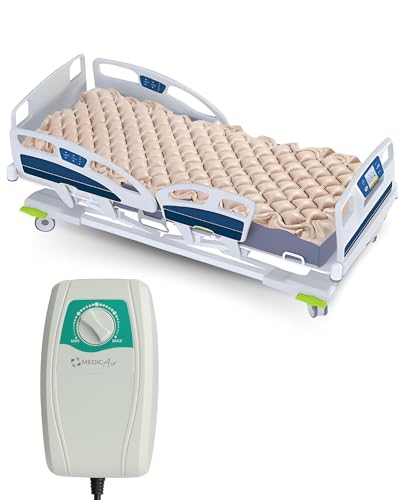
- Relief from pressure ulcers and bed sores with a clinical-grade alternating air cycle.
- Ultra-quiet pump operation (<28 dBA) for restful sleep and home care durability.
- Durable waterproof vinyl supports up to 300 lbs, suitable for hospital or home use.
Buying Guide
Key considerations when selecting a low air loss mattress for pressure ulcers help align product features with patient needs, care setting, and caregiver capabilities. Below are the most important factors to evaluate and how different designs meet them.
- Intended use and setting: Replacement systems with multiple 8-inch cells are ideal for continuous care in hospitals or home-care beds, while toppers or pads may suit shorter stays or lighter patients. Consider whether you need full bed coverage or a supplemental layer to relieve focal pressure points.
- Cell design and density: More cells generally provide better immersion and even pressure distribution. Look for 20-cell or higher configurations for robust support; 8-inch cells offer substantial contouring without excessive bulk.
- Pressure redistribution vs. microclimate control: Alternating pressure helps reduce shear and redistribute weight, while low air loss improves the microclimate around vulnerable areas. Some models combine both for comprehensive relief.
- Pillow and head support: A pillow function or dedicated head cells can improve comfort and reduce neck strain, especially during extended use.
- Control interface: Digital pumps with diagnostic alarms and preset cycle times simplify setup and monitoring. Quiet pumps improve patient sleep quality, particularly in home environments.
- Alarms and safety features: Digital alarms, power-outage protection, and CPR/deflate functionalities enhance safety for caregivers and clinicians.
- Maintenance and cleaning: Removable, fluid-resistant, and machine-washable covers simplify cleaning and infection control. Durable vinyl or PU covers extend product life in clinical settings.
- Weight capacity and size compatibility: Ensure the mattress fits the bed frame and supports the patient’s weight. Some models list support up to 300 lbs or more, while others are tailored to standard hospital bed sizes (e.g., 84″ x 36″).
- Power considerations: Some systems include power-outage protection, which can be critical during outages. Check whether the product relies on battery backup or is dependent on continuous power.
- Cost vs. value: Price often reflects features like number of cells, alarm systems, and durability. For home users, quieter operation and simpler controls may provide better long-term comfort and adherence.
- Warranty and service: A substantial warranty and accessible customer support are valuable for equipment used over long periods. Consider the availability of replacement parts and repair services.
- Clinical vs. home-use needs: Clinically oriented devices may include more robust diagnostics and alarms, while home-use models emphasize portability and ease of use. Match the product to the care context and caregiver expertise.
Across these options, readers should weigh immersion depth, cell density, and head support against pump noise and ease of cleaning. For caregivers prioritizing continuous, hospital-grade relief with strong safety features, the Drive Medical and MedVance systems offer comprehensive benefits. For home users seeking quiet operation and straightforward controls, the Vive option provides a balance of comfort and simplicity. The Safe Medic mattress stands out for higher weight capacity and durable construction, making it suitable for a broader patient range. In all cases, proper sizing and bed compatibility are essential to maximize therapeutic benefits and user comfort.