Finding the right low air loss mattress with bolsters involves balancing pressure redistribution, patient comfort, and ease of use at home or in care facilities. The options below pair alternating pressure and low air loss with head support features like pillows or bolster-like structures to help reduce shear, moisture buildup, and skin irritation. These selections span hospital-grade systems and consumer-friendly airbeds designed for caregivers and patients alike. Use the guide and quick table to compare how each model handles immersion, control options, and accessibility in daily care routines.
| Product | Brand | Key Features | Notes |
|---|---|---|---|
| Drive Medical 14027 Med-Aire Low Air Loss Mattress Replacement System with Alternating Pressure, Dark Purple | Drive Medical | Low air loss + alternating pressure; 20 replaceable 8″ bladders; pillow feature; removable 4-way stretch PU cover | Combination therapy for pressure redistribution and skin protection |
| MedVance Medical Low Air Loss Mattress Replacement System with Alarm, 8 Inch | MedVance | Ultra quiet pump; digital control with diagnostics; low air loss; pillow function; emergency CPR deflate | Digital monitoring and quick deflation option |
| Drive Medical 14029 Med-Aire Low Air Loss Mattress Replacement System with Alternating Pressure, Blue | Drive Medical | Low air loss + alternating pressure; 20 replaceable 8″ bladders; pillow feature; digital control with multiple cycle times | Similar system in blue with built-in controls |
| Leggett & Platt AirDream Hypoallergenic Inflatable Mattress with Electric Hand Pump for Sleeper Sofas, 60″ Queen | Fashion Bed Group | Air-over-coil technology; hypoallergenic; handheld electric pump | Alternative comfort option for sofa sleepers |
| RestElevated Luxury Pillow Top Queen Size Air Mattress with Built in Pump | AIR TUFF | Pillow top; coil-beam design; 20″ height; built-in pump; leak-resistant inflation | High-profile guest/home use with added top comfort |
Drive Medical 14027 Med-Aire Low Air Loss Mattress

The Drive Medical 14027 Med-Aire combines alternating pressure with low air loss to support pressure redistribution, reduce shear, and manage microclimate. It uses 20 individually replaceable 8-inch air bladders designed to maximize immersion and envelopment while maintaining consistent contact with the patient. A pillow feature supports head stability and comfort, which can aid in better alignment during static or transitional care.
Durability and ease of care are emphasized through a removable four-way stretch PU cover that is fluid resistant, low shear, and vapor permeable. The cover helps protect the skin from friction and moisture, which is critical for at-risk patients. The system is designed for home or facility use, with straightforward maintenance that caregivers can manage in routine care. For caregivers seeking both pressure relief and head support, this model offers a balanced combination with clinically relevant features and practical design.
MedVance Low Air Loss Mattress Replacement System with Alarm

The MedVance system focuses on quiet operation and precise digital control. Its ultra-quiet pump operates at under 20 dB, with dual pump cores for reliable output. The digital LED screen displays weight and pressure, providing real-time feedback for caregivers and clinicians. A diagnostic alarm system helps identify issues promptly, and the emergency CPR function allows deflation within a second by pulling the red tag, enabling rapid response in emergencies.
Low air loss is achieved with a cell-on-cell design on an 8-inch depth, preventing bottoming out while offering up to 24-hour power outage protection. A pillow function helps stabilize the head, supporting comfortable static positioning and reducing neck strain. This model is well-suited for patients who require consistent pressure relief plus easy, visible monitoring of treatment parameters.
Drive Medical 14029 Med-Aire Low Air Loss Mattress Replacement System

The Drive Medical 14029 model offers the same core benefits as the 14027 but in a blue variant. It integrates alternating pressure with low air loss across 20 replaceable 8-inch bladders for enhanced immersion and envelopment. A pillow feature helps maintain head stability, supporting proper alignment during bed rest. The digital control unit presents four cycle times and adjustable comfort weight settings, allowing caregivers to tailor therapy to individual patient needs. The system can operate in alternating or static pressure modes and includes a diagnostic-capable pump for reliability.
With similar design quality to the 14027, the 14029 emphasizes ease of use in care settings that require consistent pressure management and microclimate control. The combination of durability, head support, and flexible operation makes it a solid option for patients who need sustained low air loss therapy paired with adjustable treatment cycles.
Leggett & Platt AirDream Hypoallergenic Mattress for Sleeper Sofas
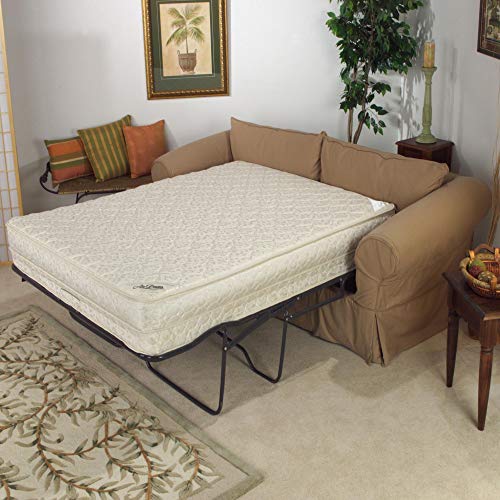
The AirDream hypoallergenic inflatable mattress from Leggett & Platt uses patented air-over-coil technology to blend air support with the resilience of a coil system. While not a traditional low air loss system, it provides a dependable sleeping surface for sofa sleepers or guest rooms where a quick, comfortable solution is needed. An easy-to-use handheld electric pump makes setup fast, and the hypoallergenic materials help reduce irritation for sensitive sleepers. This model is particularly suitable for households seeking a versatile, space-saving option with strong head-to-toe support during extended use.
RestElevated Luxury Pillow Top Queen Air Mattress with Built-In Pump

This RestElevated air mattress offers a 20-inch raised height with coil-beam support and a built-in pump for straightforward setup. The pillow-top design adds a layer of plush comfort, making it a suitable option for guests or casual home use where bolstered head support is desirable. While not explicitly described as a low air loss system, the durable materials and coil-beam structure provide stable, even support across the sleeping surface. The model emphasizes leak resistance and long-lasting materials, prioritizing a comfortable sleep experience in varied environments.
Buying Guide
Choosing the right low air loss mattress with bolsters requires weighing how you intend to use the system, the level of medical support required, and the user’s tolerance for features such as alarms and digital controls. Below are key purchase considerations and practical comparisons to help you decide which option best matches different care settings and needs.
- Low air loss versus alternating pressure: If the goal is comprehensive pressure relief with microclimate management, models that combine low air loss with alternating pressure (such as the Drive Medical Med-Aire series and the MedVance system) provide protective layers against moisture while reducing shear. For sofa sleepers or guest use, bed-in-a-box inflatable options with coil-beam designs may suffice.
- Pillow and bolster support: Bolster-like head stabilization is critical for comfort and alignment in many patients. Look for models advertising pillow functions or integrated head support features to enhance stability during static positioning.
- Control and alarms: Digital controls with cycle options, weight/pressure readouts, and diagnostic alarms help caregivers tailor therapy and monitor performance. An emergency CPR deflation feature is especially valuable for rapid response in urgent situations.
- Cell design and depth: Twenty 8-inch bladders, as found in the Drive Medical and MedVance products, help maximize immersion while preserving stability. The design limits “bottoming out” and supports consistent contact, which is important for pressure redistribution.
- Durability and maintenance: Removable, fluid-resistant covers and easy-access bladders simplify cleaning and maintenance. Check that the cover material is low shear and vapor permeable to reduce friction and moisture exposure to the skin.
- Weight capacity and bed compatibility: Bariatric models may offer higher weight limits and require compatible bed frames or bases. Assess the overall system weight, the bed height, and how the mattress aligns with the patient’s needs and room layout.
- Power reliability: For settings prone to outages, models with robust power protection and 24-hour outage resilience are advantageous. If power backup is not available, consider devices with simpler, manual deflation options.
- Cleaning and cover replacement: Look for models with machine-washable or easily cleanable covers, and confirm whether bladders are replaceable to extend the system’s lifespan.
- Size and height: Choose a size that fits the patient’s comfort and the caregiver’s ease of access. Higher-profile mattresses (around 20 inches) provide easier transfers but may require taller bed frames or adjustable bases.
In practice, you’ll want to map your care goals to these features. For patients needing stronger pressure redistribution plus head support, compact hospital-grade units like the Drive Medical 14027/14029 or MedVance systems are strong options. For sofa-based sleep or guest rooms, the Leggett & Platt AirDream or RestElevated Pillow Top models offer convenient, comfortable alternatives that emphasize ease of setup and everyday use.