Choosing the right mattress for solo sleepers matters whether you’re backpacking, staying in a dorm, or hosting guests. This guide reviews five Amazon options designed for one person, spanning compact inflatables, traditional futons, and self‑inflating pads. Each pick is evaluated for portability, support, and durability to help you select the best match for your space and travel style. The table below provides a quick at-a-glance comparison to start your decision process.
| Product | Brand | Size / Type | Key Benefit |
|---|---|---|---|
| Intex Twin Air Mattress With Plush Top | Intex | Twin; inflatable | Durable, plush sleeping surface for solo use |
| 6th Gen Japanese Floor Futon Mattress | Feisaibaoly | Single; floor mattress | 9-layer design with high-density foam for support |
| Vibe Bear Japanese Futon Floor Mattress | Vibe bear | Single; floor mattress | High-density foam with breathable cover and structured feel |
| CYMULA Self Inflating Sleeping Pad | CYMULA | Double; self-inflating | 4″ foam plus air for customizable comfort |
| Hikenture Double Sleeping Pad | Hikenture | 2-person; inflatable | Ultra-thick, roomy camping pad with dual valves |
Intex Twin Air Mattress With Plush Top
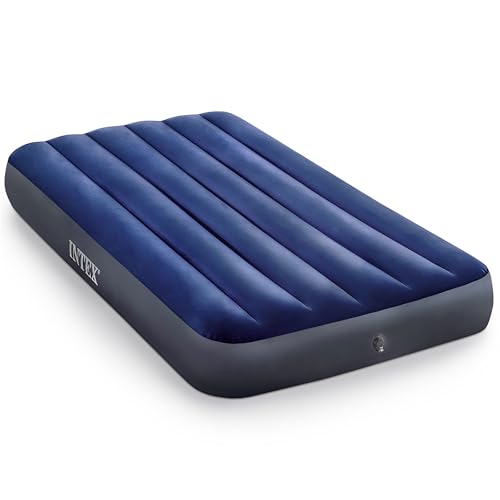
The Intex Twin Air Mattress is a compact, twin-sized option designed for solo sleepers who need a versatile bed for home, dorm, or light camping use. Its twin surface provides a stable sleeping area that pairs well with a fitted sheet, while a plush top adds welcome softness. Built with FiberTech materials and a durable vinyl exterior, the mattress emphasizes durability and a comfortable feel without excessive bulk. The two‑valve design allows straightforward inflation and rapid deflation, though the pump is not included, so you’ll need a separate air source. This makes it a practical choice for quick setups and easy packing.
For a single occupant, the mattress strikes a balance between portability and support. It folds or rolls for storage and transport, and the edge structure helps minimize rolling toward the center at night. While inflatable beds can shift if you move vigorously, pairing this with a small sleeping bag liner or fitted sheet can improve stability. The absence of a built‑in pump means you’ll want a compatible device, but once inflated, most sleepers report a solid night’s rest with adequate support for back and side sleeping styles. This makes it a solid value pick for travelers who prioritize versatility over premium padding.
6th Gen Japanese Futon Mattress

The Feisaibaoly 6th generation Japanese floor futon blends traditional design with modern materials. Marketed as a single‑size option, the futon uses a nine‑layer construction that includes five padding layers and high‑density foam. This arrangement is designed to minimize sag and maintain shape over time, delivering a stable sleeping surface that supports a range of sleep positions. The microfiber cover with lattice stitching helps keep the filling in place, resulting in a smoother, more uniform feel. The compact single footprint makes it ideal for guest rooms, dorms, or small living spaces where floor sleeping is preferred.
From a comfort perspective, the mattress emphasizes support and pressure distribution. The high‑density foam layer helps reduce common pressure points, potentially easing back discomfort for many sleepers. The floor‑muton setup eliminates contours that can come with a bed frame, offering a firmer, more grounded feel that some users prefer for extended stays. Care and maintenance simply involve keeping the surface clean and allowing the foam layers to breathe. For travelers who value a traditional sleeping surface with modern enhancements, this futon offers a compelling blend of structure and comfort.
CYMULA Self Inflating Sleeping Pad

The CYMULA self‑inflating sleeping pad combines foam and air to offer a customizable comfort level. At 4 inches thick, this double‑sized pad provides substantial cushioning, making it a strong option for side sleepers or those who spend long nights on uneven ground. The mattress is constructed with a soft, skin‑friendly fabric and a design that minimizes noise during movement, which helps reduce sleep disturbances for partners sharing the space. The pad also includes a self‑inflating feature and a sack pump for easier packing, increasing portability for trips, camping, or simple guest room setups.
While labeled as a double sleeping pad, its extra width can still accommodate a single sleeper who desires generous elbow room or who occasionally hosts a partner. The combination of air and foam creates a balance between softness and support, allowing users to adjust firmness by letting in more or less air. This adaptability makes it a versatile option for people who want a single sleeping surface with room to maneuver. Overall, it offers substantial cushion and stability without requiring a heavy or cumbersome frame.
Hikenture Double Sleeping Pad

The Hikenture two‑person sleeping pad is designed for camping couples or solo users who want extra space. It inflates to a generous 79×47.5×4 inches, giving a wide, cushioned surface that reduces contact with the ground. A notable feature is the dual valve system: one valve facilitates easy inflating by foot or hand, while a second valve speeds up deflation for quick packing. The outer fabric is polyester pongee with TPU lamination, delivering durability and weather resistance while supporting up to about 600 pounds. Its light weight and compact packing make it appealing for backpackers who still crave a roomy sleeping surface.
For single sleepers, this pad remains a viable option if you value space and comfort over compactness. The expansive surface allows for unrestricted movement and can accommodate various sleeping positions with less concern about rolling off the edge. While it is marketed for two, adventurers who prioritize comfort, roominess, and straightforward inflation will appreciate the pad’s ease of setup and reliable comfort. If you sometimes sleep with a partner or simply want extra space when camping, this model provides a solid balance of weight, size, and support.
Buying Guide
Key factors to consider when choosing a mattress for one person include type, size, weight, and environment. The following considerations help compare inflatable beds, futons, and self‑inflating foam pads across common solo sleeping needs.
- Sleep setting and space: If you mostly sleep indoors in a dorm or apartment, a compact inflatable or a traditional futon that fits a small room may be ideal. For car camping or backpacking, prioritize lighter weight, smaller pack size, and quick setup.
- Type options: Inflatable beds offer easy adjustability but require a pump and may need a surface protector; futons provide a firmer base with traditional materials; self‑inflating pads strike a balance between cushion and portability.
- Size and thickness: A single sleeper can benefit from 2–4 inches of foam or air support for basic comfort, while higher thickness (4 inches or more) generally improves cushioning and reduces pressure points. Consider your weight, preferred sleep position, and climate (insulation needs).
- Support and firmness: Foam and futon layers offer structured support, while air mattresses allow adjustable firmness. Solo sleepers with back pain may prefer solid support with even weight distribution, whereas side sleepers may seek a softer surface to relieve hips and shoulders.
- Inflation method and pump availability: Pumps range from manual foot or hand pumps to electronic inflators. A self‑inflating option eliminates extra gear but may be heavier or slower to compress for travel.
- Durability and surface material: Look for high‑density foam or reinforced vinyl/PU coatings, moisture resistance, and fabric breathability. For sensitive skin or long use, choose fabrics described as skin‑friendly and breathable.
- Portability and packing: Pack size and weight matter for travel. If you must carry gear in a bag or backpack, prioritize lighter, more compact models with simple setup.
- Care and maintenance: Clean surfaces regularly, protect from moisture, and air out after use to extend life. Some models require a sun exposure period after unpacking to regain shape.
- Warranty and value: Consider the warranty length and customer reviews on durability. A slightly pricier option with better materials and longer service life may offer better long‑term value for frequent travelers.
In practice, the best pick for you will depend on your typical sleeping environment. If you value portability and quick setup, a self‑inflating pad or compact inflatable can be ideal. If you prioritize a traditional sleeping feel with strong support in a fixed space, a futon mattress offers a calm, grounded surface. For those who occasionally want extra room while camping, a larger two‑person pad can serve as a luxurious solo sleeper. Balancing weight, thickness, and ease of inflation will guide you toward the option that best aligns with your preferred sleeping style and travel plans.